
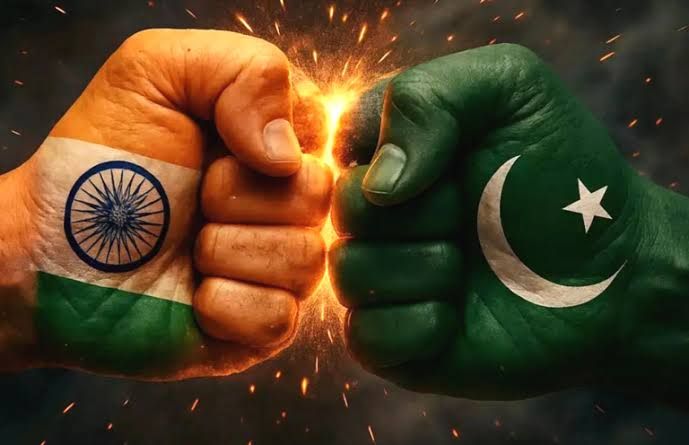
Every time India and Pakistan face each other in a World Cup, the match is sold as more than cricket. It is marketed as history, rivalry, emotion, pride, and for many fans, it truly feels that way.
But behind the noise, a deeper and uncomfortable question keeps coming back:
Why do India and Pakistan still play each other in ICC tournaments at all?
Especially when bilateral cricket between the two nations has been stopped for years due to political and security tensions. This isn’t just a sports question anymore. It’s about money, memory, and the modern reality of global cricket.
The emotional contradiction
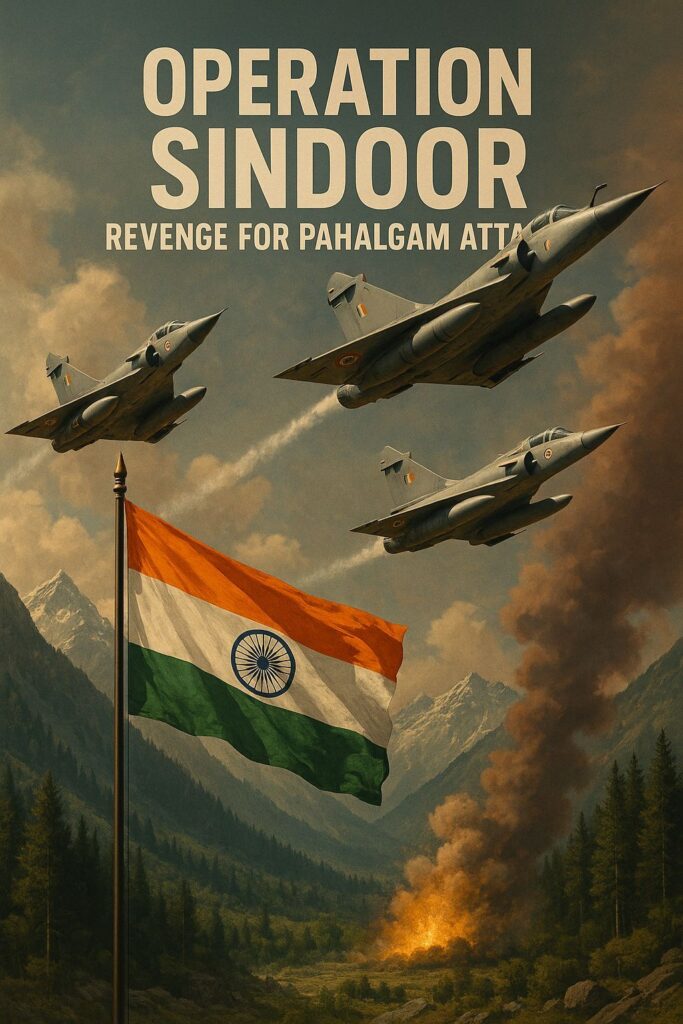
For many Indians, the discomfort isn’t about cricket itself, it’s about timing and symbolism.
Every year on 14 February, the country remembers the Pulwama attack and the lives of CRPF soldiers lost. The grief is real and ongoing. The memory isn’t abstract. So when a high-voltage India–Pakistan match happens around similar periods, it creates a strange emotional contrast:
- One day national mourning
- Next day a global sporting spectacle
For some fans, this feels inconsistent. If relations are strained enough to stop bilateral series, why continue playing on the biggest stage?
It’s a question rooted not in anger, but in emotional logic.
The economic reality no one denies
There is also a hard truth everyone in global cricket understands but rarely says openly:
India vs Pakistan is the biggest money-making match in world cricket.
This single fixture:
- Generates record-breaking TV viewership
- Drives advertising revenue globally
- Justifies billion-dollar broadcasting deals
- Attracts sponsors who fund entire tournaments
For international cricket boards and broadcasters, this match isn’t just another group-stage game. It is the financial engine of the tournament. That’s why, almost every ICC event ensures one thing:
India and Pakistan will meet. Sometimes once. Sometimes with the possibility of meeting again in knockouts. From a business perspective, it makes sense. From an emotional or political perspective, it feels more complicated.
If money wasn’t involved, would things be different?
This is where an interesting comparison comes in. When athletes from India and Pakistan compete in sports like athletics, hockey, squash, or even football:
- There is rivalry
- There is national pride
- But far less political noise
When Neeraj Chopra and Arshad Nadeem compete in javelin, the focus stays on sport.
There is respect, competition, and pride — but not the same level of outrage or debate.
Why?
Because those matches don’t generate billions in revenue.
They don’t drive prime-time advertising wars.
They aren’t the financial backbone of global federations.
If hockey or football in India generated the same revenue as cricket, the political pressure around those matches might look very different too.
Money amplifies attention.
Attention amplifies emotion.
And emotion amplifies politics.
The ICC and the business of rivalry
International tournaments are not just sporting events anymore — they are global entertainment properties. Broadcasters pay enormous sums for rights. Sponsors invest expecting maximum viewership. And nothing guarantees viewership like an India–Pakistan clash. Putting the two teams in separate groups and risking no match would mean:
- Lower ratings
- Reduced sponsorship value
- Broadcast losses
So from a purely commercial standpoint, ensuring this match happens is logical.
This doesn’t mean cricket boards ignore sentiment. It means they operate within a system where economics heavily influence decisions.
Why India still plays ICC matches but not bilateral series
India’s current position sits somewhere in the middle.
- No bilateral series with Pakistan
- Participation in ICC and multi-nation tournaments continues
This approach allows India to:
- Maintain a clear political stance in bilateral relations
- Remain influential in global cricket
- Avoid isolation in international tournaments
Pulling out of ICC matches entirely would create complex consequences:
- Tournament disruptions
- Contractual disputes
- Loss of influence in cricket governance
So the decision becomes strategic rather than purely emotional.
A rivalry sustained by more than sport
India vs Pakistan in cricket today exists at the intersection of:
- Sport
- Politics
- Business
- Public emotion
If this fixture generated the same revenue as a squash match, it likely wouldn’t dominate global headlines or tournament structures. But because it fuels the financial ecosystem of cricket, it remains central. That creates a tension many fans feel:
Is this about sporting competition — or commercial necessity?
There’s no simple answer.
Can a time come when India doesn’t play Pakistan at all?
It is possible, but only under extreme circumstances:
- Major geopolitical escalation
- Full diplomatic breakdown
- Government-level directive to avoid all sporting contact
Until then, the current middle path will likely continue:
- No bilateral cricket
- Only ICC and multi-nation encounters
Not because emotions are ignored, but because modern sport operates within a global economic structure.
The question worth asking
Perhaps the real question isn’t whether the match should happen or not.
It’s this:
When sport becomes a billion-dollar industry, can it ever remain purely about emotion, rivalry, and national sentiment?
Or does business inevitably shape what we see on the field?
India vs Pakistan isn’t just a cricket match anymore. It is a mirror reflecting how sport, politics, and economics now coexist — sometimes comfortably, sometimes uneasily.
And that’s why every time these two teams meet, the conversation goes far beyond the boundary rope.
If this made you think, explore more such stories and opinions from us.